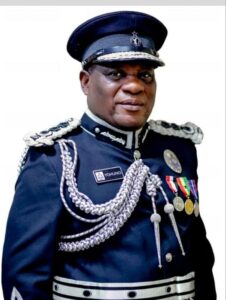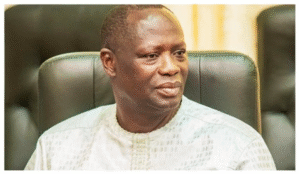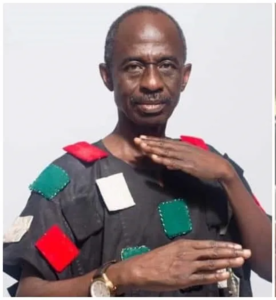
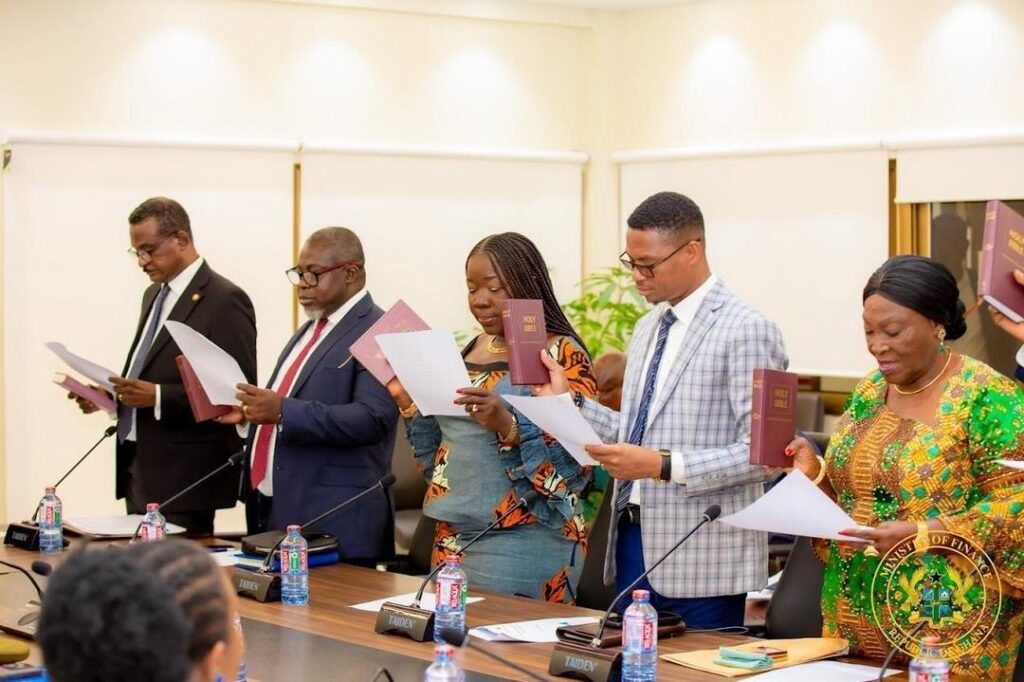
Photo: some members of the GRA Board
A fierce legal storm is brewing over the Ghana Revenue Authority, with a private citizen asking the High Court to remove two sitting MPs from the GRA Governing Board, claiming it is a clear breach of the law and basic common sense.
Accra-based lawyer Tassah Tapha Tassah has gone to court to challenge the appointment of Madina MP Francis Xavier Sosu and Laadi Ayamba to the powerful tax board, insisting that Members of Parliament cannot legally sit there as “private sector” representatives.
The suit, filed on December 17, 2025, through his lawyer Bernard Owiredu of Thompson Law Consult, targets the President, the Ghana Revenue Authority, the two MPs and the Attorney General.
At the heart of the case is a blunt claim. The law says private sector individuals must occupy those seats. MPs are not private sector players. End of story.
LAWYER: “THIS IS NOT WHAT THE ACT MEANT”
In his writ, Tassah argues that the Ghana Revenue Authority Act, 2009, Act 791, is being stretched beyond breaking point.
Section 4(1)(f) of the Act allows the President to appoint four people from the private sector to the GRA Board, with at least two being women. Section 28 goes further, spelling out what “private sector” actually means. It refers to parts of the economy under private ownership and driven by market forces, not public authority.
According to the plaintiff, elected Members of Parliament simply do not fit that description.
Despite this, Sosu and Ayamba were sworn in on April 30, 2025, after being named as part of the four “private sector” representatives on the board.
The full private sector list, as captured in the suit, includes Madam Faustina Nelson, retired customs officer George Ayiretey, and the two MPs.
Tassah says that is where the problem starts.
“YOU CAN’T MARK YOUR OWN EXAMS”
The case goes beyond technical legal wording. It strikes at the heart of accountability.
The plaintiff argues that MPs sitting on the GRA Board while Parliament is meant to oversee the Authority creates a serious conflict of interest.
In plain terms, lawmakers would be helping to make decisions at GRA and then turning around to supervise and question the same decisions in Parliament.
In his statement of claim, Tassah warns that this setup weakens transparency and undermines democratic checks and balances.
He says parliamentary oversight is a core pillar of democracy, designed to scrutinise government institutions, budgets, policies and performance through committees, questions, hearings and inquiries.
Allowing MPs to sit on the GRA Board, he argues, blurs those lines and offends both Ghana’s Constitution and international corporate governance standards.
“This is retrogressive,” the suit suggests, describing the appointments as a backward step that erodes accountability rather than strengthening it.
WHO IS BEING SUED
The lawsuit names several defendants.
The Ghana Revenue Authority itself is listed as the first defendant, as the statutory body responsible for tax administration.
Sosu and Ayamba appear as the second and third defendants, having been appointed to the board by the President.
The Attorney General is the fourth defendant, sued as the state’s principal legal adviser under Article 88(5) of the Constitution.
Tassah, who says he lives at Madina New Road in Accra, insists he is acting as a concerned citizen seeking a proper interpretation of the law.
WHAT THE COURT IS BEING ASKED TO DO
The reliefs being sought are clear and far-reaching.
The plaintiff wants the High Court to declare that, under a true and proper reading of Act 791, MPs cannot be appointed as private sector representatives on the GRA Board.
He is also asking for a consequential order directing the President to remove Sosu and Ayamba and replace them with people who genuinely belong to the private sector.
Finally, he wants the court to declare that appointing elected MPs to a board that Parliament oversees weakens transparency, accountability and the effective functioning of the Authority.
WHY THIS MATTERS
The Ghana Revenue Authority is one of the most powerful institutions in the country, responsible for collecting taxes and enforcing compliance.
Its Governing Board shapes policy and supervises management. Who sits there matters.
If the court agrees with Tassah, it could force a shake -up at the GRA and set a strong precedent about how far political appointments can go.
For now, the battle lines are drawn. One lawyer. Two MPs. A tax board under fire. And a court is set to decide whether the law has been bent too far.
About The Author